
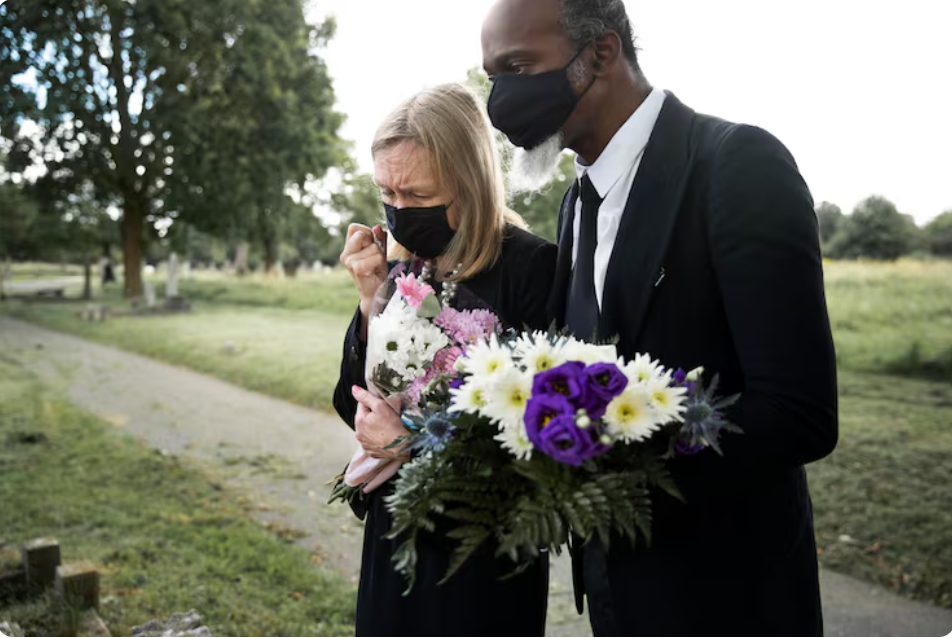
Nobody wants to think about this until they have to. Then suddenly it’s urgent—someone has died and you’re expected to make decisions about disposal of their body while your brain is wrapped in cotton wool and your hands won’t stop shaking.
Most funeral directors will present options—burial, cremation, perhaps direct cremation mentioned last if at all. They’ll use gentle voices and careful euphemisms. What they won’t do is explain what you’re actually choosing between—not just the methods, but the costs, the practicalities, the long-term implications. Direct cremation costs a fraction of traditional funerals but receives identical professional care. NewRest Funerals specialises in transparent, dignified direct cremation services with straightforward information and no sales pressure—available 24/7 on 0800 111 4971 whenever you need clear answers.
Let’s fix that information gap.
The UK offers three main options for what happens after death: burial, traditional cremation with a funeral service, and direct cremation. Each comes with its own complications, costs, and cultural baggage. None is inherently better. But one might be considerably more sensible for your specific situation.
Burial: The Traditional Route Nobody Can Afford Anymore
Burial is the oldest method. Put the dead in the ground, mark the spot, visit when grief demands it. Simple in concept. Expensive and complicated in execution.
The average burial funeral in the UK costs £5,447 according to SunLife’s 2024 figures. That’s nearly £1,300 more than cremation. The difference isn’t in the funeral director’s fees—those are roughly similar. It’s the grave itself.
Purchasing a burial plot costs between £1,000 and £3,000 depending on location. London and the Southeast? You’re looking at the higher end. Rural Scotland? Possibly less. But here’s what nobody mentions upfront: that’s just the hole. The right to dig it costs another £1,000 to £2,000 in burial fees paid to the cemetery or church.
Then there’s the headstone—£800 to £3,000 for something basic. Maintenance fees for the grave. Flowers. The ongoing costs accumulate year after year.
Burial has other complications. Space is running out. London’s cemeteries are essentially full. Some have waiting lists. Others have resorted to reclaiming old graves after 75 or 100 years—legal but disturbing if you assumed “eternal rest” meant what it said.
The environmental impact is significant too. Each burial uses 4-6 square metres of land permanently. Embalming fluid—formaldehyde—leaches into soil. Coffins are increasingly elaborate, using hardwoods shipped from abroad, metals, synthetic materials that don’t decompose for centuries.
Natural burial grounds have emerged as an alternative—no embalming, biodegradable coffins, GPS coordinates instead of headstones, woodland instead of manicured lawns. Costs are lower—£1,500 to £3,500 for the plot—and the environmental logic is sound. You become compost. Circle of life and all that.
But natural burial still costs thousands more than cremation. And you need to accept that in twenty years, your “grave” will be indistinguishable forest floor. No headstone for your grandchildren to visit. Just trees.
Traditional Cremation: The Middle Ground
Cremation became legal in the UK in 1902. For decades it was considered vaguely scandalous—un-Christian, too modern, suspiciously continental. Now it accounts for 78% of UK funerals.
The process is straightforward. The body is placed in a coffin and heated to 800-1000°C for 90 minutes. What remains—bone fragments, really—is ground into ash and returned to the family. Ashes to ashes, rather literally.
Traditional cremation includes a funeral service. The coffin is present, usually at the crematorium chapel. There are readings, music, a eulogy. Family and friends attend. Afterwards, the coffin disappears behind curtains or descends through the floor—the theatrical moment that’s supposed to provide closure but often just feels awkward.
Cost for traditional cremation: £4,141 on average. That includes:
- Funeral director fees (£2,000-£2,500)
- Coffin (£400-£1,200 depending on your susceptibility to hardwood guilt)
- Hearse and limousines (£500-£800)
- Crematorium fees (£800-£1,000)
- Officiant (£150-£250)
- Order of service printing
- Death notices
- Flowers
The advantage over burial is cost and simplicity. No plot to purchase. No ongoing maintenance. The ashes can be scattered, kept, buried, or divided among family members—flexibility that burial doesn’t offer.
The disadvantage is that you’re still paying for the full funeral theatre. The service lasts 30-45 minutes. You’re on a schedule—another funeral is booked after yours. The crematorium chapel is determinedly non-denominational, which means generic and soulless. The piped music sounds tinny. The officiant may never have met the deceased.
You’re paying four thousand pounds for a rushed, impersonal ceremony in a building designed for efficient body processing. Many families leave feeling unsatisfied—like they’ve ticked a box rather than honoured someone they loved.
Direct Cremation: The Option They Don’t Advertise
Direct cremation is traditional cremation with all the ceremony stripped out. The person who died is collected, cared for, and cremated without anyone attending. No funeral service with the body present. No hearse procession. No chapel booking. The ashes are returned to the family within two weeks.
Cost: typically between £995-£1,695 depending on location—a fraction of what traditional funerals cost.
This is the option many funeral directors mention last, if at all. It’s not in their financial interest. Direct cremation cuts their revenue by 70%. So they frame it carefully—“Are you sure you don’t want to say goodbye properly?”—and watch as guilt does its work.
But here’s what direct cremation actually offers: the same end result as traditional cremation at a quarter of the cost. The deceased receives identical professional care. The same crematorium facilities are used. The same regulations apply. What you’ve eliminated is the expensive staging.
One in five UK funerals is now a direct cremation—up from virtually nothing a decade ago. That’s not because Britons suddenly stopped loving their dead. It’s because they’ve realised that grief doesn’t require a £900 coffin and a funeral director in a top hat.
The money saved—typically £2,500-£3,500—can be used for something that actually helps the bereaved. Paying off the deceased’s debts. Supporting a surviving spouse. Funding a memorial gathering that feels genuine rather than obligatory.
Speaking of memorials: direct cremation doesn’t mean no ceremony. It means separating the practical disposal of the body from the emotional ritual of mourning. Many families hold memorial services weeks or months later, once the shock has faded. These gatherings often feel more authentic—held in meaningful locations, with time to plan properly, without the tyranny of the crematorium’s 45-minute slot.
The Comparison Nobody Shows You
Let’s put numbers side by side. These are 2024 averages for a single funeral in the UK:
Full Burial:
- Funeral director fees: £2,500
- Coffin: £800
- Hearse and cars: £600
- Burial plot: £2,000
- Burial fees: £1,500
- Headstone: £1,500
- Total: £8,900
Traditional Cremation:
- Funeral director fees: £2,300
- Coffin: £700
- Hearse and cars: £600
- Crematorium fees: £900
- Officiant: £200
- Total: £4,700
Direct Cremation:
- All-inclusive price: £1,295
- Memorial service (optional, DIY): £200-£500
- Total: £1,295-£1,795
The price gaps are enormous. But price isn’t everything. Let’s consider what else matters.
Permanence: Burial offers a fixed location to visit. Some people need that. Others find it becomes a burden—decades of obligatory visits to a cemetery they don’t particularly like because Mum’s buried there.
Environmental impact: Burial uses land and embalming chemicals. Cremation releases CO2 and mercury (from dental fillings). Neither is particularly green. Natural burial is better but still uses land. Direct cremation has the same environmental footprint as traditional cremation—the difference is economic, not ecological.
Family expectations: This is the big one. Your brother might insist on a traditional funeral. Your sister might think direct cremation is disrespectful. Your dad might have wanted burial in his hometown 200 miles away. These conflicts are real and painful. The only solution is having these conversations before someone dies—uncomfortable but vastly better than arguing over a fresh corpse.
Religious requirements: Most religions are more flexible than people assume. Catholics can be cremated—it’s been officially permitted since 1963. Jewish law traditionally requires burial, but Reform and Liberal Jews often choose cremation. Muslims and Orthodox Jews generally require burial, but even within those communities, practices vary. Hindu and Sikh traditions prefer cremation. Check with your specific religious authority rather than assuming.
Time pressure: Burial and traditional cremation typically happen 7-14 days after death—you’re planning a complex event while actively grieving. Direct cremation removes that pressure. The cremation happens quietly. You plan a memorial service when you’re ready.
What Nobody Tells You About Ashes
If you choose any form of cremation, you’ll receive ashes. About 2-3 kilograms worth—more than people expect. They’re not actually ash in the fireplace sense. They’re ground bone fragments, grey-white and coarse.
Now what?
You have options—more than with burial. Scatter them somewhere meaningful. Keep them in an urn at home. Bury them in a family grave or dedicated ashes plot. Divide them among family members. Turn them into jewellery, vinyl records, or fireworks (yes, really—there’s a market for everything).
Some families agonise over this decision for years. The ashes sit in a cupboard because nobody can agree on what to do with them. Eventually they become just another object in house clearances, occasionally turning up in charity shops.
The advantage of ashes over burial is flexibility. You’re not locked into maintaining a grave plot for decades. The disadvantage is that you actually have to decide what to do with them—and not everyone finds that easy.
Scattering ashes is legal in most places—your own land, public land (with permission), most beaches and rivers. You can’t scatter them in the local park without permission. Some crematoriums have gardens specifically for scattering—free or low-cost, peaceful enough, completely unmemorable.
If you want a dedicated memorial, consider that ashes plots in cemeteries cost £500-£1,500—far less than burial plots but still significant. You’re essentially paying for a small piece of ground you’ll never use again after that one visit to inter the ashes.
The Pre-Planning Question
Here’s a radical thought: decide this before you’re dead.
Pre-planning your own funeral—particularly direct cremation—removes an enormous burden from whoever survives you. They’ll be dealing with probate, pensions, property, possessions, grief. The last thing they need is a funeral director presenting them with twelve coffin options while they’re in shock.
Roughly 40% of direct cremations are now pre-paid plans. You choose a provider, pay upfront (or in instalments), and the plan is activated when you die. Costs are locked in at today’s prices. Your family just makes one phone call.
The psychological relief is real. You know your family won’t be exploited. They know exactly what you wanted. Nobody has to guess whether you’d prefer oak or pine, church or crematorium, Sinatra or silence.
For around £1,500, you can pre-arrange a direct cremation and leave clear instructions: scatter my ashes at X, donate to Y charity instead of flowers, play Z music at the memorial if you must have one. You’re making these decisions with a clear head, no time pressure, no emotional manipulation from someone in a dark suit.
This isn’t morbid. It’s practical. Death is guaranteed. Funeral costs are significant. Planning ahead is just sensible household administration—like making a will or arranging power of attorney.
Making the Actual Decision
So which option should you choose? There’s no universal answer. It depends on your specific circumstances:
Choose burial if:
- Religious or cultural tradition strongly requires it
- Having a permanent place to visit matters deeply to you or your family
- Cost isn’t a significant concern
- You’ve secured a plot in a location that’s meaningful and accessible
- You’re comfortable with ongoing maintenance responsibilities
Choose traditional cremation if:
- You want a conventional funeral service with the deceased present
- You need the structure that traditional funerals provide
- You can afford £4,000-£5,000
- You want the ceremony and disposal to happen on the same day
- Your family expects a “proper funeral”
Choose direct cremation if:
- Cost is a significant factor
- You prefer simplicity over ceremony
- You want flexibility about when and where to hold a memorial
- You’re comfortable with the cremation happening without attendance
- You’d rather spend money on supporting the living than elaborate funerals
The honest truth? For most families, direct cremation makes the most sense. It’s dramatically cheaper. It’s less stressful to arrange. It offers the same end result as traditional cremation. It allows you to create a memorial that actually means something rather than following a script written by Victorians.
But it requires letting go of the idea that love equals expenditure—that a “proper” farewell must be expensive, formal, and conducted according to traditions most of us don’t even understand.
Your dad won’t know what coffin you chose. Your mum won’t care whether there were lilies at her funeral. They’re dead. The funeral is for the living—and the living might be better served by financial stability and genuine grief support than mahogany and a motorcade.
Frequently Asked Questions
Can I change my mind after choosing a burial plot?
Usually, yes, if no burial has happened yet. Most cemeteries will refund plot purchases minus an administration fee, though policies vary. Once someone is buried there, you’re committed—exhumation is complex, expensive, and requires legal permission.
Is direct cremation available everywhere in the UK?
Yes, all crematoriums can perform direct cremations. Some funeral directors don’t advertise the option because it’s less profitable, but they can arrange it if you ask specifically. Alternatively, use a provider that specialises in direct cremation and transparent pricing. For immediate assistance, NewRest Funerals is available 24/7 on 0800 111 4971.
What happens at a direct cremation?
The deceased is collected from the place of death, cared for with complete dignity, placed in a simple coffin suitable for cremation, and cremated during a scheduled slot (usually early morning). No one attends the cremation itself. The process follows exactly the same regulations as attended cremations. Ashes are returned to the family within 7-14 days.
Can I have a traditional funeral and then change to direct cremation?
No—once you’ve booked a traditional funeral and paid deposits, you’re committed to those costs. This is why it’s worth considering direct cremation first rather than treating it as a downgrade if money gets tight.
Will my family judge me for choosing direct cremation?
Possibly. Attitudes are changing fast, but some people still view elaborate funerals as proof of love. The solution is discussing it beforehand, explaining your reasoning, and ideally pre-arranging it yourself so the decision isn’t left to them during their grief.
How long can I keep ashes at home?
Indefinitely. There’s no legal requirement to scatter or bury them. Many families keep ashes for years while deciding what to do. Some never decide—and that’s fine too.
Are payment plans available for funerals?
Yes, most funeral directors offer payment plans, though they may charge interest. Pre-paid funeral plans work differently—you pay in advance at today’s prices, and the funeral is provided when you die regardless of future price increases. Direct cremation pre-paid plans typically cost £1,500-£2,000.
The funeral industry depends on you not asking questions. They present options as if they’re equally valid, then wait for guilt and tradition to steer you towards the expensive choice.
But burial, traditional cremation, and direct cremation are not equivalent options. One costs three times what another costs. One requires decades of maintenance. One gives you time to grieve before making decisions about memorials.
There’s no wrong choice. But there are choices made for the wrong reasons—because you didn’t have clear information, because you were manipulated by euphemisms, because you thought love required a specific price tag.
Your mum doesn’t need a burial plot. Your dad doesn’t need a funeral cortège. They need you to grieve honestly, support each other practically, and not go into debt proving you cared.
The dead don’t care how you dispose of them. The living have to live with the consequences of every pound spent and every obligation created.
Choose accordingly.