
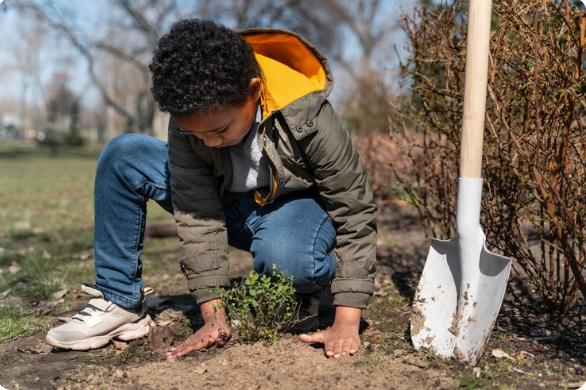
DIY landscaping can fail due to common pitfalls such as poor planning, poor plant choices, and drainage issues. These mistakes can lead to chaotic designs, unhealthy plants, and costly maintenance. Professionals assess your space, recommend suitable plants, and address practical concerns like drainage and irrigation. They help you create a cohesive, vibrant landscape that’s easy to maintain. If you’re curious about specific strategies professionals use to rectify DIY mishaps, there’s plenty more to discover!
Common Mistakes in DIY Landscaping
When you immerse yourself in DIY landscaping, it’s easy to overlook some common mistakes that can derail your efforts. One major pitfall is poor planning; without a clear design, your garden can end up chaotic.
You might also underestimate the importance of soil quality—plants need healthy soil to thrive. Overwatering is another frequent error; too much water can suffocate roots. Additionally, you might neglect the significance of proper drainage, leading to puddles and plant rot.
Finally, don’t forget about maintenance; your work doesn’t end once the plants are in the ground. Regular care keeps your landscape looking its best.
The Importance of Proper Plant Selection
Choosing the right plants is vital for a successful landscape, as selecting species that thrive in your specific climate and soil conditions can make all the difference.
When you pick plants suited to your environment, you’ll reduce maintenance, enhance growth, and improve aesthetic appeal. Consider factors like sunlight, water requirements, and pest resistance.
For instance, native plants often require less care and adapt better to local conditions.
Don’t forget to think about seasonal changes, as a variety of blooms can keep your landscape vibrant year-round.
Proper plant selection guarantees a healthier, more beautiful outdoor space you can enjoy for years to come.
Design Flaws That Lead to Unbalanced Spaces
While you might envision a perfectly harmonious landscape, design flaws can easily disrupt that balance.
For instance, placing oversized plants too close together can overwhelm your space, creating a chaotic appearance. Similarly, neglecting scale and proportion might lead to awkward focal points that draw attention for all the wrong reasons.
Uneven pathways or misaligned features can further exacerbate the imbalance, making your yard feel disjointed.
To fix these issues, consider consulting with landscaping services that understand spatial dynamics and can help you achieve a cohesive design that enhances your outdoor experience, ensuring every element complements the others beautifully.
Drainage Issues and Their Consequences
If you overlook proper drainage in your landscaping, you might find yourself facing a host of problems that can quickly turn your outdoor paradise into a soggy nightmare.
Standing water can lead to root rot, damaging your plants and creating an inviting environment for pests. Soil erosion may wash away your carefully laid features, while constant moisture fosters mold and mildew, harming both aesthetics and health.
Additionally, poor drainage can compromise hardscape, causing cracks and instability.
Without addressing these issues, your once vibrant landscape will suffer, leaving you with costly repairs and a less enjoyable outdoor space.
How Professionals Transform Your Landscape
When you enlist the help of professionals, your landscape can undergo a remarkable transformation, enhancing both its beauty and functionality.
Experts assess your space, identifying potential issues and opportunities you might overlook. They design tailored solutions, selecting plants that thrive in your climate and creating layouts that maximize flow and aesthetic appeal.
Professionals also address practical concerns, such as drainage and irrigation, ensuring the long-term health of your garden. With their experience, they can seamlessly incorporate hardscaping elements, like pathways and patios, into your landscape.
Ultimately, you’ll enjoy a vibrant, well-balanced outdoor space that truly reflects your vision.
Frequently Asked Questions
How Much Does Professional Landscaping Typically Cost?
Professional landscaping typically costs between $1,500 and $5,000, depending on the project’s size and complexity.
You’ll find that prices can vary widely based on materials, design, and location, so it’s wise to get multiple quotes.
Can I Fix My DIY Landscaping Mistakes Myself?
Yes, you can fix your DIY landscaping mistakes yourself.
Assess the issues, gather the right tools, and research solutions.
With patience and effort, you can improve your landscape without hiring a professional.
What Tools Are Essential for Successful Landscaping?
You’ll need essential tools such as a shovel, a rake, pruners, and a wheelbarrow.
A garden hoe, trowel, and garden gloves are also vital.
These tools help you effectively shape, maintain, and beautify your landscape.
How Long Does a Professional Landscaping Project Usually Take?
A professional landscaping project usually takes anywhere from a few days to several weeks, depending on the scope.
You’ll see quicker results if you communicate your vision clearly and collaborate closely with the landscaping team.
Will My Plants Survive if I Plant Them Incorrectly?
If you plant your plants incorrectly, they probably won’t survive.
Poor placement, depth, or soil can stress them out, leading to stunted growth or death.
It’s best to follow proper guidelines to guarantee their health.
Conclusion
In DIY landscaping, it’s easy to overlook crucial details, from choosing the wrong plants to ignoring drainage problems. These common mistakes can lead to unbalanced spaces and costly repairs. By relying on professional landscapers, you can avoid these pitfalls and achieve a well-designed landscape that thrives. They bring expertise in plant selection and design, ensuring your outdoor space not only looks great but also functions effectively. So, consider calling in the pros to turn your vision into a reality.